Beat Ballz
Remaster GamesMusic
4.3218.00 Reviews
- Version
- 1.0.64
- Installs
- 10.00M
- Age Rating
- Teen
Screenshots
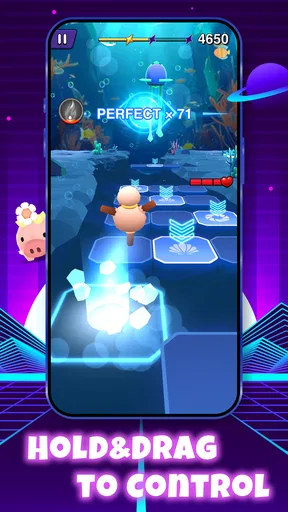
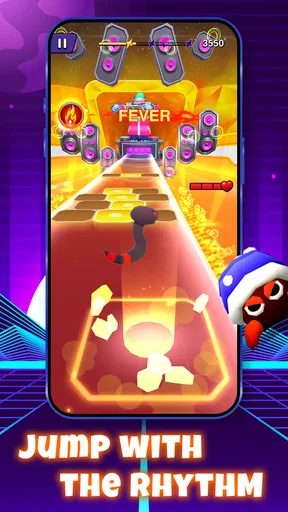
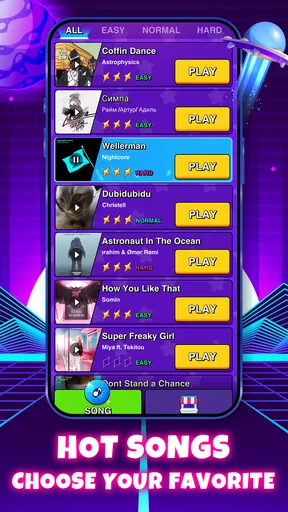

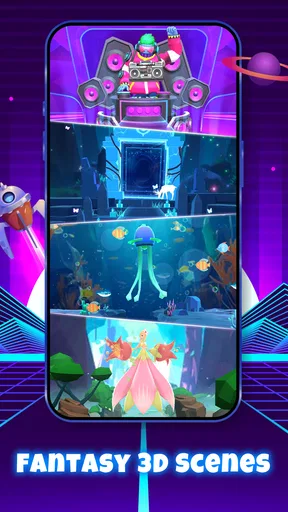
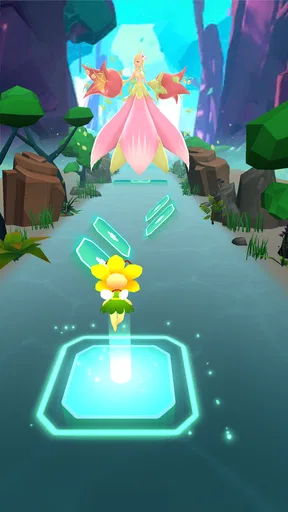
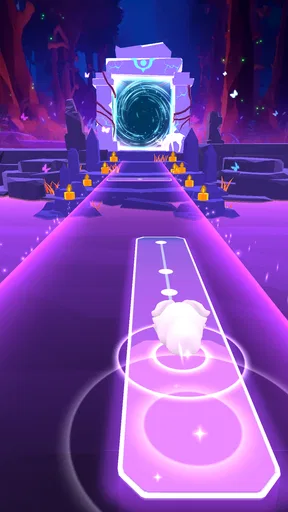
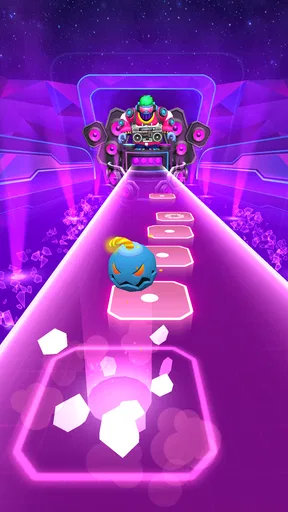
Our Review of Beat Ballz
 Analysis by Appyee
What makes Dream Hop - 3D Magic Dash interesting to me is the way it puts rhythm at the center of a quick, visual game. You are not simply watching a colorful scene or tapping through a conventional music playlist: the appeal comes from trying to make your movement feel connected to the beat while the 3D course keeps demanding attention. That combination gives each run a simple goal and a small timing puzzle, which is why I can see it working well for short breaks.
Why the beat changes the feel of a run
In many mobile music games, the main task is to hit prompts as they appear. Here, the musical framing sits alongside ball movement and the need to respond to what is ahead. That gives the experience a more physical, immediate feel: I am listening for the pulse, but I also need to watch the route. When those two things line up, a successful sequence feels more satisfying than a tap made in isolation.
That balance also explains the game’s main challenge. Looking only at the scenery can make it easy to miss a moment to react, while concentrating only on timing can leave me less prepared for the next obstacle. I get the best results when I use the music as a guide rather than treating it as the only signal. That is a useful approach for anyone who finds rhythm games either too abstract or too focused on reading notes.
A practical way to settle into the controls
When I first try a game built around timing, I resist the urge to chase a high score immediately. A better first run is about learning how the movement responds and noticing how the beat relates to the action. In Dream Hop, taking that slower approach helps me separate a mistimed move from a moment when I was simply distracted by the 3D scene. Once the basic rhythm feels familiar, I can pay more attention to maintaining a clean run.
One small habit that helps is to keep my eyes slightly ahead of the ball instead of fixing them on it. That gives me more time to read the next part of the course while still hearing the beat. If I am playing in a noisy place, I also avoid relying on subtle musical cues alone; a rhythm game is less comfortable when the soundtrack is hard to hear. A quieter setting makes the timing element easier to appreciate, without requiring a long session or a complicated setup.
Where it fits into an ordinary day
I can picture opening it while waiting for a ride or taking a short pause between chores: one attempt gives me something more engaging than scrolling, but the basic premise is easy to understand without a lengthy commitment. It also suits a quick reset after work, especially if I want a game that asks for attention without asking me to learn a sprawling world or manage a complicated set of systems.
It is less suited to moments when I need to keep half an eye on a conversation or another task. The combination of a moving route and music rewards focus, and split attention can turn an enjoyable run into a string of avoidable mistakes. For the same reason, I would not choose it as background entertainment while trying to concentrate on reading or a call. Its best everyday use is a short, deliberate play break.
How it compares with other music games
Compared with a music game built mainly around tapping notes on a fixed interface, Dream Hop makes the visual course part of the challenge. That can be a welcome change if I want movement and scenery to matter as much as keeping time. On the other hand, players who prefer a clear note chart, precise score-chasing, or a more instrument-like rhythm exercise may find a traditional music game a better fit. The appeal here is the blend of a ball’s movement, quick reactions, and musical timing rather than a pure test of note accuracy.
It also occupies a different space from a standard endless runner. The music gives the action a sense of pacing, so I am not only reacting to what appears on screen. If I want a runner where route planning or long-term progression is the main attraction, another title may offer more of that. I would pick this one when I want a compact, beat-led challenge with a vivid 3D presentation.
Small choices that make play more comfortable
For a more relaxed first session, I would play somewhere I can hear the soundtrack clearly and avoid turning every run into a score test. That leaves room to learn the timing and makes it easier to decide whether the rhythm-and-reaction mix is actually enjoyable. If a run goes poorly, I try to identify whether I lost the beat or simply reacted late; treating those as separate problems is more useful than tapping faster and hoping for a better result.
There is a trade-off in the same visual style that makes the game appealing: bright 3D scenery can draw the eye away from the next decision. Players who are sensitive to busy screens, or who prefer restrained visuals, may find that presentation less comfortable over time. I would also be cautious about assuming that a free download means every part of the experience is free; the game offers in-app purchases, so I would check the purchase prompt carefully and decide whether an optional spend is worthwhile before confirming anything.
Who is likely to enjoy it—and who may not
The game is a natural match for someone who likes casual rhythm play but wants more than a static series of taps. It is also a reasonable choice for players who enjoy colorful 3D scenes and short challenges that reward attention. Remaster Games has made a music game with a clear central idea, and that focus is a strength: I know what kind of experience I am opening rather than having to work through a dense introduction.
I would steer away from it if I wanted a quiet, low-stimulation game, a deep story, or a music tool for practicing songs. It is a game first, and its timing challenge depends on watching the action as well as listening. Someone who dislikes quick reactions may also prefer a slower puzzle or a music title that lets them focus on a predictable sequence of notes.
For context, the game is free to install, rated Teen, and has in-app purchases priced from $6.99 to $29.99 per item. It has an average rating of 4.2 from around 4,800 ratings, with more than 10 million installs. Those figures suggest a substantial audience, but I would treat them as background rather than a guarantee that its particular mix of rhythm and movement will suit me. The practical question is whether I enjoy responding to music while keeping an eye on a moving 3D course.
Visuals That Dazzle
From the moment I launched the app, I was greeted by an explosion of colors. The graphics in Dream Hop - 3D Magic Dash are nothing short of breathtaking. The developers have done an exceptional job in creating a visually stunning environment that feels like you’ve stepped into a dream. Each level is a new adventure, with dynamic landscapes that keep your eyes glued to the screen. It’s almost like being in a neon wonderland that you’d never want to leave.
Gameplay That Keeps You Hooked
Now, let’s talk about the gameplay. Imagine a mix of a rhythm game and an endless runner, but with a twist of magic. The objective is simple: dash through the 3D world, hopping and dodging obstacles while collecting shiny gems. But here’s the twist – it’s all in sync with the beat of the music. The better you sync, the higher your score. It’s a delightful challenge that tests both your reflexes and your sense of rhythm.
I found myself getting into a groove, tapping and hopping along with the music. The controls are intuitive and responsive, making the gameplay smooth and satisfying. It’s one of those games that’s easy to pick up but hard to put down. You’ll find yourself saying, "Just one more round," more times than you’d like to admit.
Music That Moves You
No game like this would be complete without a killer soundtrack, and Dream Hop - 3D Magic Dash delivers. The music is a mix of catchy tunes that perfectly complement the vibrant visuals and fast-paced gameplay. Each track feels carefully chosen to enhance the gaming experience, making you feel a part of the magical world. It’s almost therapeutic, letting you escape into a world of sound and color.
Level Up and Unlock
Progression in the game is rewarding. As you advance, you unlock new levels and characters. Each character has unique abilities that add a strategic layer to the game. Are you in the mood to jump higher or dash faster? There’s a character for that. Plus, the ability to customize your character adds a personal touch, making each game feel unique.
Community and Challenges
One thing that adds to the fun is the community aspect. You can compete with friends or take on global challenges. It’s a great way to test your skills against other players and see where you stand on the leaderboard. Plus, the developers frequently update the game with new challenges and events, keeping things fresh and exciting.
Final Thoughts
In a world flooded with mobile games, Dream Hop - 3D Magic Dash stands out as a beautifully crafted experience that’s both fun and engaging. It’s a perfect blend of visuals, music, and gameplay that creates an addictive loop you won’t want to escape from. Whether you’re a casual gamer or a hardcore rhythm game enthusiast, this app offers something for everyone.
So, if you’re looking for an app that’s a feast for the senses and a joy to play, give Dream Hop - 3D Magic Dash a try. Trust me, it’s a ride you won’t regret hopping on!
There are a few practical details worth knowing before installing. The game was released on December 13, 2023, and its current version is 1.0.48; it requires Android 8.0 or later. That makes it accessible on a wide range of Android devices, although the bright 3D presentation is best enjoyed on a screen where you can comfortably distinguish the route and movement. I would check that the device meets the minimum requirement before downloading, especially if I am installing it on an older phone.
The review count is around 211, which is a smaller pool than the overall rating count, so I would not read too much into a single person’s impression either way. I would use the rating and install reach as a broad sign of interest, then judge the fit by the core play style: music-guided movement with a visual course. That distinction matters more than popularity if I already know I prefer slow, forgiving games or precise note-chart challenges.
What to expect from progression
The unlocks and character options give repeat attempts a sense of direction, but I would approach them as a reason to keep playing rather than assume they transform the core experience. The central pleasure remains getting comfortable with the beat and responding to the course. If I am choosing a character, I would focus on the ability that best supports my own weak point—whether I tend to struggle with jumps or with maintaining pace—rather than changing options just for novelty.
That is also a useful way to decide whether a longer session is worthwhile. If experimenting with a different character makes a run feel more manageable, progression is serving a practical purpose. If I am mainly interested in a song collection or a deep customization system, the unlocks may not be enough on their own to hold my attention. The game’s strongest draw is still the immediate loop of music, movement, and visual reaction.
Making a fair choice before spending
Because the game is free to start, I can try its basic feel before deciding whether it deserves more of my time. I would first see whether the controls and beat-based pacing feel comfortable, then consider any purchase only if I understand what it offers and genuinely want it. The listed purchase range runs from $6.99 to $29.99 per item, so it is sensible to pause at a purchase screen rather than treating a prompt as part of the required route through the game.
For parents, the Teen content rating is a useful starting point when deciding whether it is appropriate for a younger player. I would still review the game together and pay attention to purchase prompts, since age labels do not replace household rules about spending or screen time. For an adult looking for a quick music game, the rating and free entry point make trying it straightforward, while the optional purchases are a reason to set a clear spending boundary.
My recommendation in one sentence
I would give Dream Hop a try if I wanted a colorful, beat-led game for focused short sessions, especially if ordinary note-tapping rhythm games feel too static. I would choose something else if I needed a calm background activity, a precision-first music trainer, or a runner whose main appeal is elaborate route strategy. Its strongest quality is also its defining constraint: the music, movement, and vivid course need my attention at the same time, so the game works best when I am ready to give it a few focused minutes.
Verdict
Strengths of Beat Ballz
- Stunning graphics with vibrant colors.
- Intuitive controls easy to master.
- Engaging soundtrack enhances gameplay.
- Variety of levels keeps it fresh.
- Regular updates with new features.
Limitations of Beat Ballz
- Ads can be intrusive at times.
- Requires internet for full features.
- Limited customization options.
- Occasional lag on older devices.
- In-app purchases can add up.
Similar Picks in This Category
View All
Tiles Hop Music & Ball Game
AMANOTES PTE. LTD.4.3

Magic Tiles 3™ - Piano Game
AMANOTES PTE. LTD.4.6

Real Piano
Bilkon3.7

Piano Game: Classic Music Song
Dream Tiles Piano Game Studio4.0

Smash Colors: Music Ball Rush
BADSNOWBALL HONGKONG LIMITED4.2

Piano Music Go-EDM Piano Games
Joy Journey Music Games4.5
Frequently Asked Questions
What is Dream Hop - 3D Magic Dash?
Dream Hop - 3D Magic Dash is an engaging rhythm-based game where players navigate through mesmerizing 3D environments. The objective is to hop in sync with the music, avoiding obstacles and collecting rewards. The game is designed to provide a visually and audibly immersive experience, making it a favorite among rhythm game enthusiasts.
How does the gameplay of Dream Hop - 3D Magic Dash work?
In Dream Hop - 3D Magic Dash, players must tap the screen to make their character jump over obstacles and gaps in time with the music. The game features multiple levels, each with unique soundtracks and challenges. Timing and precision are crucial, as missing a beat can result in starting the level over.
Is Dream Hop - 3D Magic Dash free to play?
Dream Hop - 3D Magic Dash offers a free-to-play model with optional in-app purchases. Players can enjoy the core game without spending money, but in-app purchases can enhance the experience by unlocking additional levels, removing ads, or providing cosmetic items. This allows players to tailor their experience based on personal preference.
What devices are compatible with Dream Hop - 3D Magic Dash?
Dream Hop - 3D Magic Dash is available on both Android and iOS platforms. It is compatible with a wide range of devices, typically requiring Android version 5.0 or higher and iOS version 10.0 or later. Players should ensure their device meets these requirements for optimal performance and enjoyment of the game.
Are there any accessibility features in Dream Hop - 3D Magic Dash?
Dream Hop - 3D Magic Dash includes several accessibility features to enhance gameplay for all users. These include adjustable difficulty levels, visual cues for hearing-impaired players, and customizable controls. The developers aim to make the game enjoyable for everyone, regardless of their gaming experience or physical abilities.
Play our best games!


